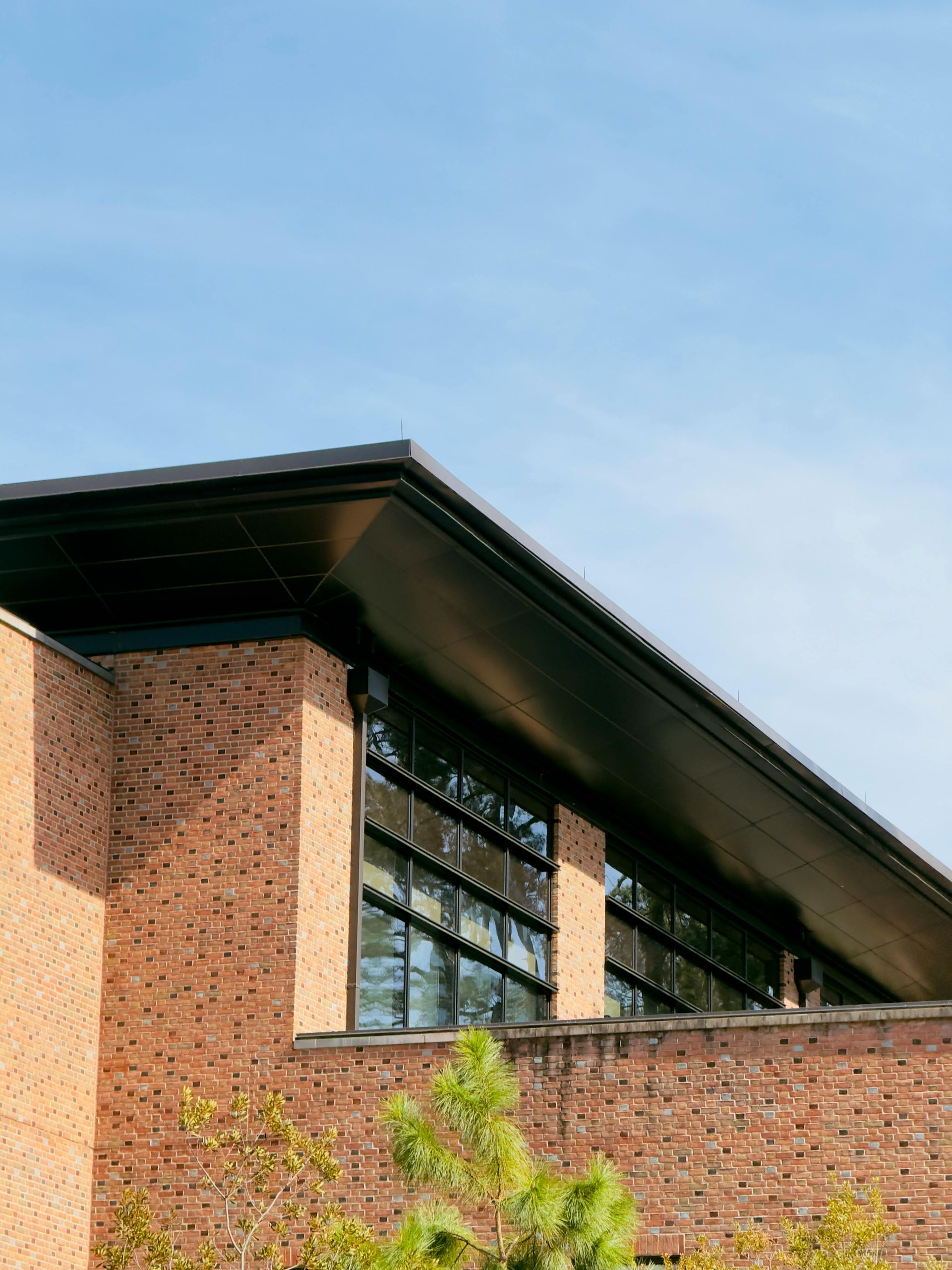
Commercial Roof Ventilation: The Pros, Cons, and Costs
You rarely think about the air moving just beneath your commercial roof. Yet, this invisible airflow plays a massive role in the health of your entire building. Without proper ventilation, trapped heat and moisture can quietly destroy your facility from the top down. A poorly ventilated roof can drain your company's maintenance budget before you even realize a problem exists. Prescott Roofing Pros wants to help you understand exactly how commercial roof ventilation impacts your bottom line.
Deciding whether to install or upgrade a ventilation system requires a clear look at the facts. You need to weigh the long-term savings against the upfront costs. In this comprehensive guide, we break down the clear benefits and the potential challenges of ventilating your commercial roof. You will learn how airflow affects your monthly energy bills, the hidden challenges of maintenance, and how our expert team helps you make the best structural decision for your specific property.
Why Commercial Roof Ventilation Matters
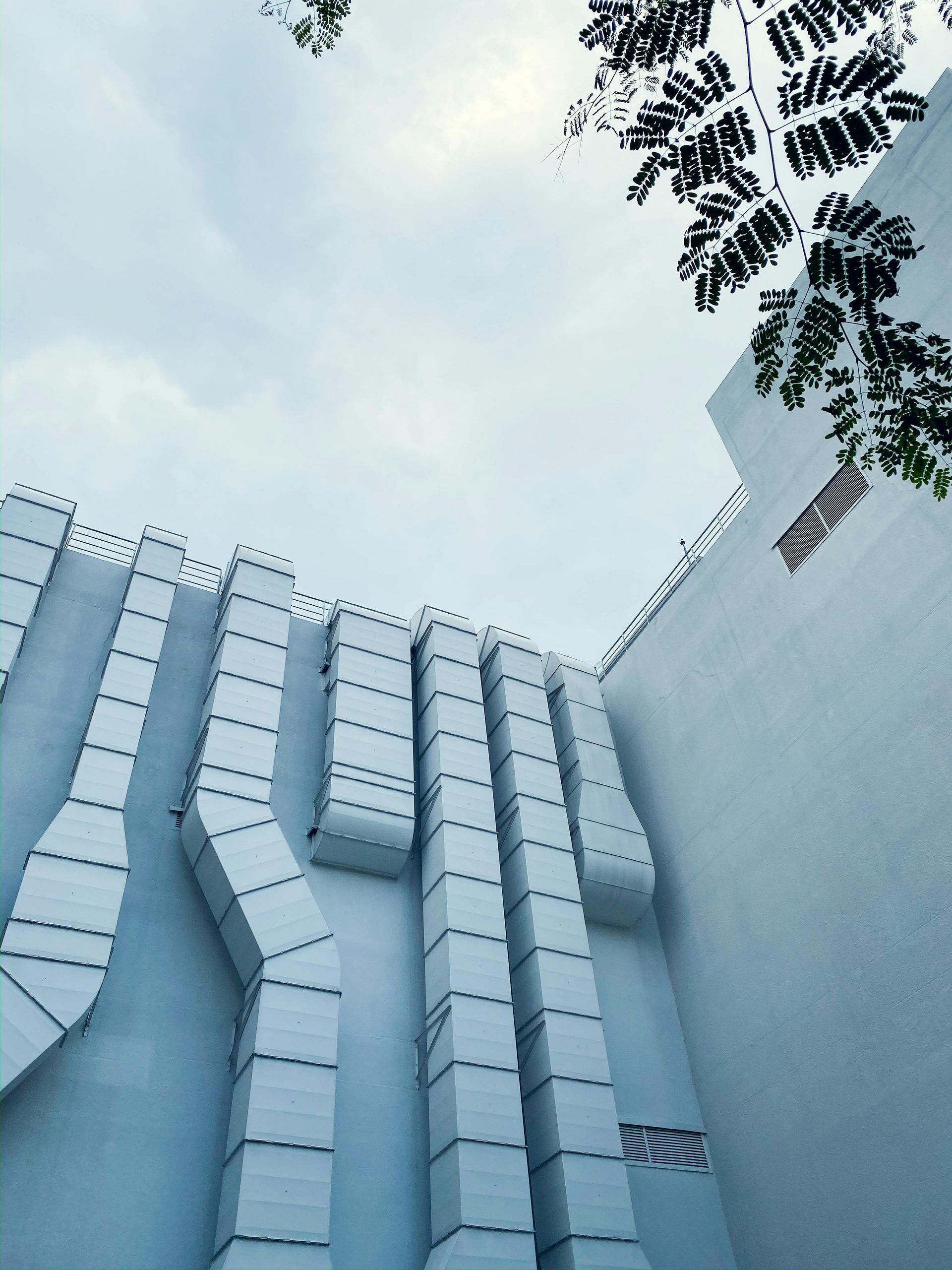
At its core, roof ventilation creates a continuous flow of air through the space just below your roof deck. Intake vents pull fresh, cool air inside from the lower edges of the roof. Exhaust vents then push the stale, hot air out near the highest point of the roof. This natural cycle prevents stagnant air from wreaking havoc on your building materials. Commercial buildings face extreme internal and external pressures. The summer sun bakes the exterior membrane, while indoor operations generate massive amounts of internal heat and humidity. Without a reliable escape route, this heat and moisture become trapped. We view ventilation as the lungs of your commercial facility. A building that cannot breathe properly will eventually suffer from structural decay, poor indoor air quality, and skyrocketing utility costs.
The Pros of Commercial Roof Ventilation
When properly designed and installed, a robust ventilation system acts as a protective shield for your building. Investing in good airflow offers several major advantages that directly protect your commercial assets.
Boosting Energy Efficiency
Cooling a massive commercial space costs a small fortune. During the intense summer months, the sun beats down on your roof, turning the upper levels of your building into an oven. If your roof lacks ventilation, this trapped heat radiates directly downward into your workspaces and inventory rooms. Your air conditioning units must then work overtime to combat this relentless radiant heat. A proper ventilation system solves this problem by actively moving the hot air out of the building before it can seep into your workspace. By naturally cooling the roof deck, you remove a massive burden from your HVAC system. Your cooling units run less frequently, break down less often, and consume far less electricity. Many businesses see a dramatic drop in their monthly energy costs immediately after we upgrade their roof ventilation.
Mastering Moisture Control
Moisture serves as the silent killer of commercial properties. Normal business operations create a surprising amount of internal humidity. Manufacturing processes, heavy cleaning routines, and even the simple breathing of a hundred employees push moisture upward into the ceiling. During the winter, this warm, humid air hits the freezing cold roof deck. It instantly condenses into liquid water. This hidden condensation slowly rots wooden structural supports, rusts metal decking, and ruins expensive commercial insulation. Even worse, dark and damp spaces create the perfect breeding ground for toxic black mold. Ventilation prevents condensation entirely. It sweeps the warm, moist air out of the building before it ever has a chance to turn into liquid water. This keeps your insulation dry, your structural supports strong, and your employees safe from respiratory hazards.
Extending Your Roof's Lifespan
Commercial roofs represent a massive financial investment. You want that investment to last as long as possible. Extreme temperature fluctuations pose a severe threat to your roofing materials. When a roof gets incredibly hot during the day and freezes quickly at night, the materials expand and contract violently. Construction experts call this thermal shock. Over time, thermal shock causes roofing membranes to crack, blister, and pull away from their seams. This leads directly to massive water leaks. Ventilation regulates the temperature of the roof deck, keeping it much closer to the outside ambient temperature. This gentle regulation minimizes thermal shock. By keeping the structural temperature stable, you add years of reliable performance to the lifespan of your commercial roof.
The Cons and Challenges to Consider
While the benefits sound amazing, roof ventilation is not a magic cure-all for every single building. You must also consider the distinct challenges and costs associated with these systems. Prescott Roofing Pros believes in total transparency, which means showing you the potential downsides as well.
Initial Installation Costs
Adding a comprehensive ventilation system to an existing commercial roof requires a significant upfront investment. We must physically cut into your roof deck to install the intake and exhaust vents. This process requires precise engineering, specialized materials, and skilled labor to ensure the new penetrations do not leak. If you choose mechanical ventilation, such as motorized exhaust fans, you must also factor in the cost of commercial electrical work. While the energy savings eventually pay for the system, you must have the initial capital available to fund the project. For small businesses on a tight budget, this upfront cost can feel intimidating.
Ongoing Maintenance Requirements
Ventilation systems do not manage themselves. They require routine attention to keep functioning correctly. Intake vents sit near the edge of the roof, making them prime targets for blowing debris. Leaves, dirt, and plastic bags can easily clog the screens, choking off the fresh air supply entirely. Furthermore, birds and small rodents love to build warm nests inside exhaust vents. If an animal blocks the vent, your moisture problems will return immediately. Mechanical fans also feature moving parts and internal motors that eventually wear out and require professional repair. You must schedule and pay for regular maintenance inspections to keep your system clear and active.
Complex Building Designs
Not every commercial building requires a ventilated roof. In fact, for certain flat roof designs, adding ventilation can actually cause more harm than good. Many modern commercial facilities utilize a "hot roof" design. In a hot roof, we place rigid, impermeable insulation directly on top of the roof deck, completely sealing the building envelope.
If an inexperienced contractor tries to ventilate a hot roof, they will disrupt the thermal barrier and invite condensation directly into the building. Designing a ventilation system requires a deep understanding of the building's specific architecture, insulation layout, and local climate. A one-size-fits-all approach simply does not work in commercial roofing.
How Prescott Roofing Pros Guides Your Decision
Navigating the pros and cons of roof ventilation can feel overwhelming. You do not have to make these complex structural decisions alone. Prescott Roofing Pros provides the expert guidance you need to protect your facility and your budget.
Professional Building Assessments
We never guess when it comes to your roof. When you contact our team, we send experienced commercial specialists to evaluate your property. We inspect your current insulation, measure your interior humidity levels, and check your existing roof deck for signs of thermal damage. We explain our findings clearly and simply. If your building would benefit heavily from increased airflow, we will outline exactly what type of system you need. If your facility already features a highly efficient hot roof design, we will honestly tell you that ventilation is unnecessary.
Tailored Ventilation Solutions
If we determine that ventilation serves as the right choice for your business, we engineer a custom solution. We calculate the exact ratio of intake to exhaust vents required to move air effectively through your specific square footage. Our highly trained installation crews handle the entire project with absolute precision. We secure every vent perfectly, applying commercial-grade sealants to guarantee a watertight finish. We treat your property with the utmost respect, working efficiently to minimize any disruption to your daily operations.
Secure Your Commercial Roof Today
Proper roof ventilation controls moisture, drastically lowers your cooling costs, and adds years to the life of your commercial roof. However, the installation costs and maintenance demands require careful consideration. You need a trusted partner who can evaluate your unique building and provide honest, data-driven advice. Prescott Roofing Pros stands ready to help you navigate these choices. We bring decades of commercial roofing experience directly to your job site.
We protect your massive structural investments by delivering unmatched craftsmanship and reliable customer service. Stop paying for sky-high cooling bills and stop worrying about hidden moisture damage. Contact Prescott Roofing Pros today to schedule a comprehensive evaluation of your commercial roof ventilation. Let our experts help you build a stronger, safer, and more efficient facility for the future.
Meta Information
Meta title: Commercial Roof Ventilation: The Pros, Cons, and True Costs
Meta description: Discover the pros and cons of commercial roof ventilation. Prescott Roofing Pros helps you understand costs, energy savings, and moisture control.
Our Socials